Home / Gas & Compressor
Sealed-system service
When a fridge loses refrigerant or the compressor fails, the fix has to be precise: find the leak, repair it, pull a deep vacuum and charge the exact weight of the right gas. That is exactly how we do it.
Signs of a gas problem
Refrigerant leaks are slow. The fridge rarely stops overnight; instead it cools a little less every week. Common signs include:
None of these signs alone proves a leak — a blocked capillary, a weak compressor or a failed fan can look similar. That’s why we measure pressures and temperatures before making a call.
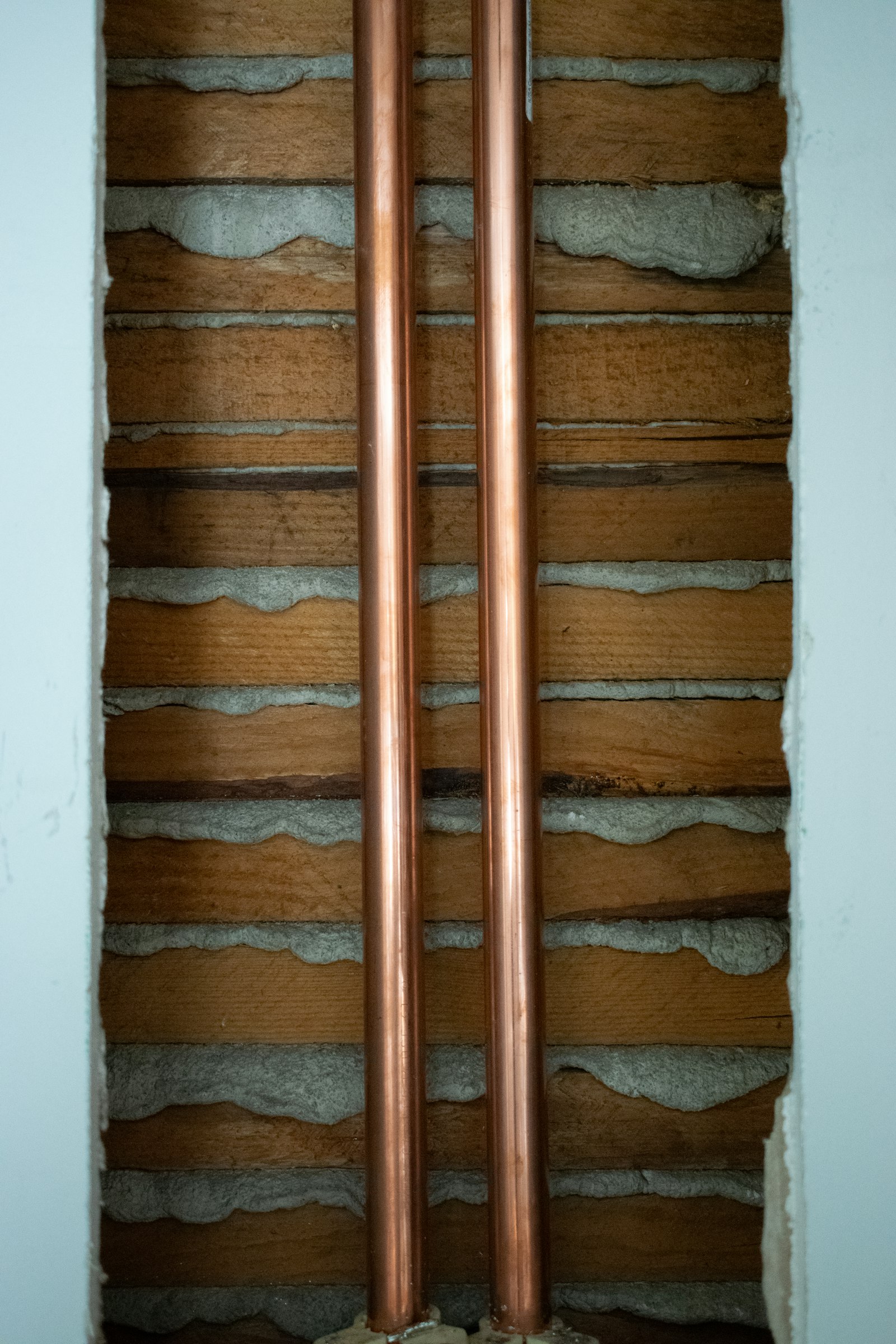
Fig. 04 — Copper lines, brazed joints, filter-drier
Our sealed-system procedure
This is the standard procedure behind every gas recharge and compressor replacement we carry out.
Pressures, pipe temperatures and compressor current confirm that the fault really is in the sealed system.
Electronic leak detector, bubble solution and, where needed, a nitrogen pressure test to find even small leaks.
Brazing with a nitrogen purge to prevent internal scale, or replacement of the damaged section.
Every time the system is opened. It traps moisture and debris that would otherwise block the capillary.
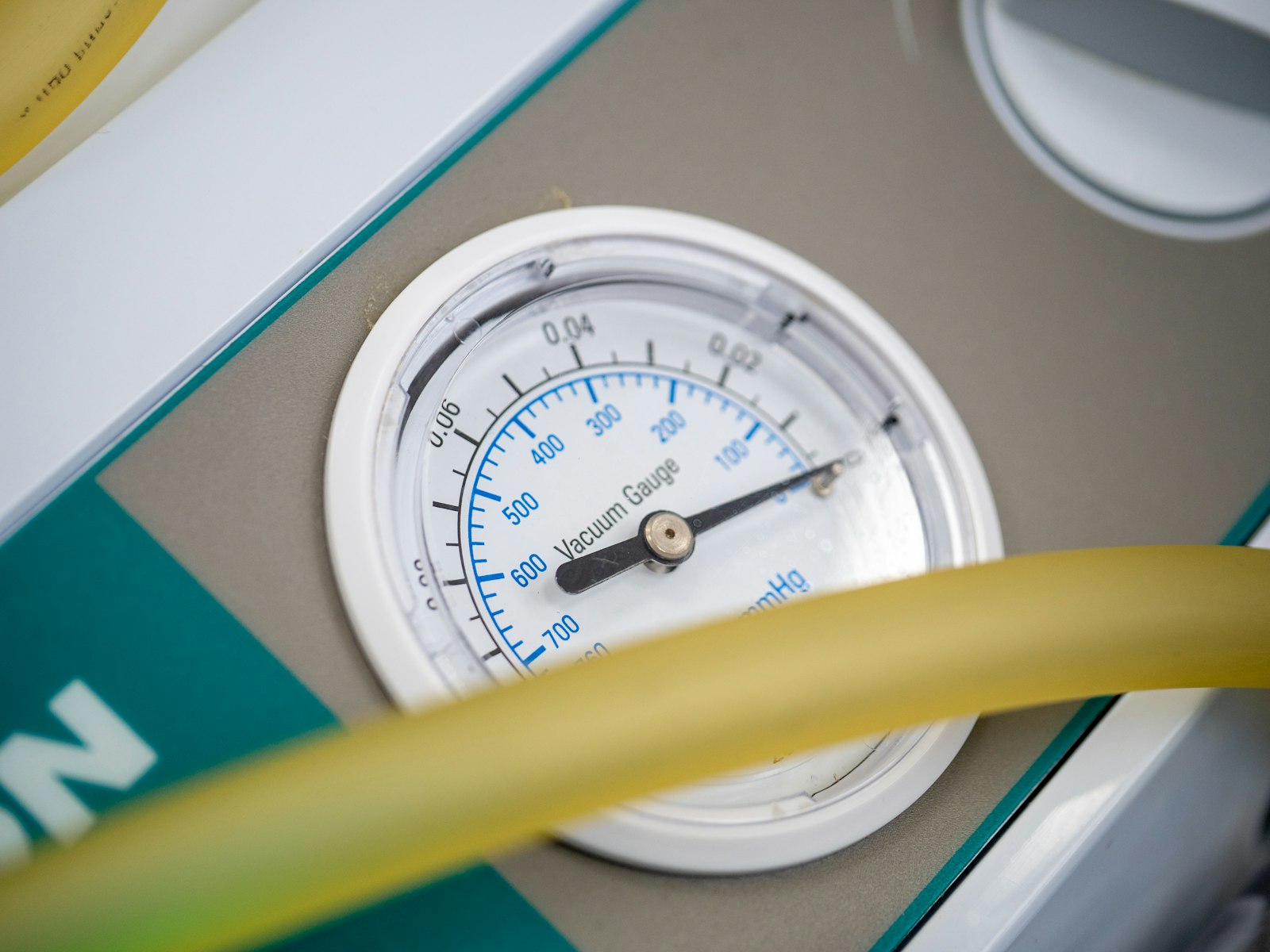
A vacuum pump removes air and moisture from the system — the step most often skipped, and the one that matters most.
The correct refrigerant, weighed on a digital scale to the maker’s specification on the rating plate.
We run the fridge until both compartments approach target temperature and re-check pressures and joints.
Receipt and 90-day workmanship warranty sent on WhatsApp, plus any compressor manufacturer warranty.
Refrigerants
Most newer household fridges sold in Bangladesh use R600a (isobutane), a natural refrigerant with very low global-warming impact. It is efficient, but it is flammable, so it must be handled with proper ventilation, spark-free tools and small, exact charges — often well under 100 grams.
Many older fridges and a large share of commercial coolers use R134a. It is not flammable, but it has a high global-warming potential and must not be vented to the air.
The two gases are not interchangeable. A fridge must be recharged with the refrigerant printed on its rating plate, in the quantity printed there. Mixing gases, or “converting” a system without changing the compressor and adjusting the design, causes poor cooling and early failure.
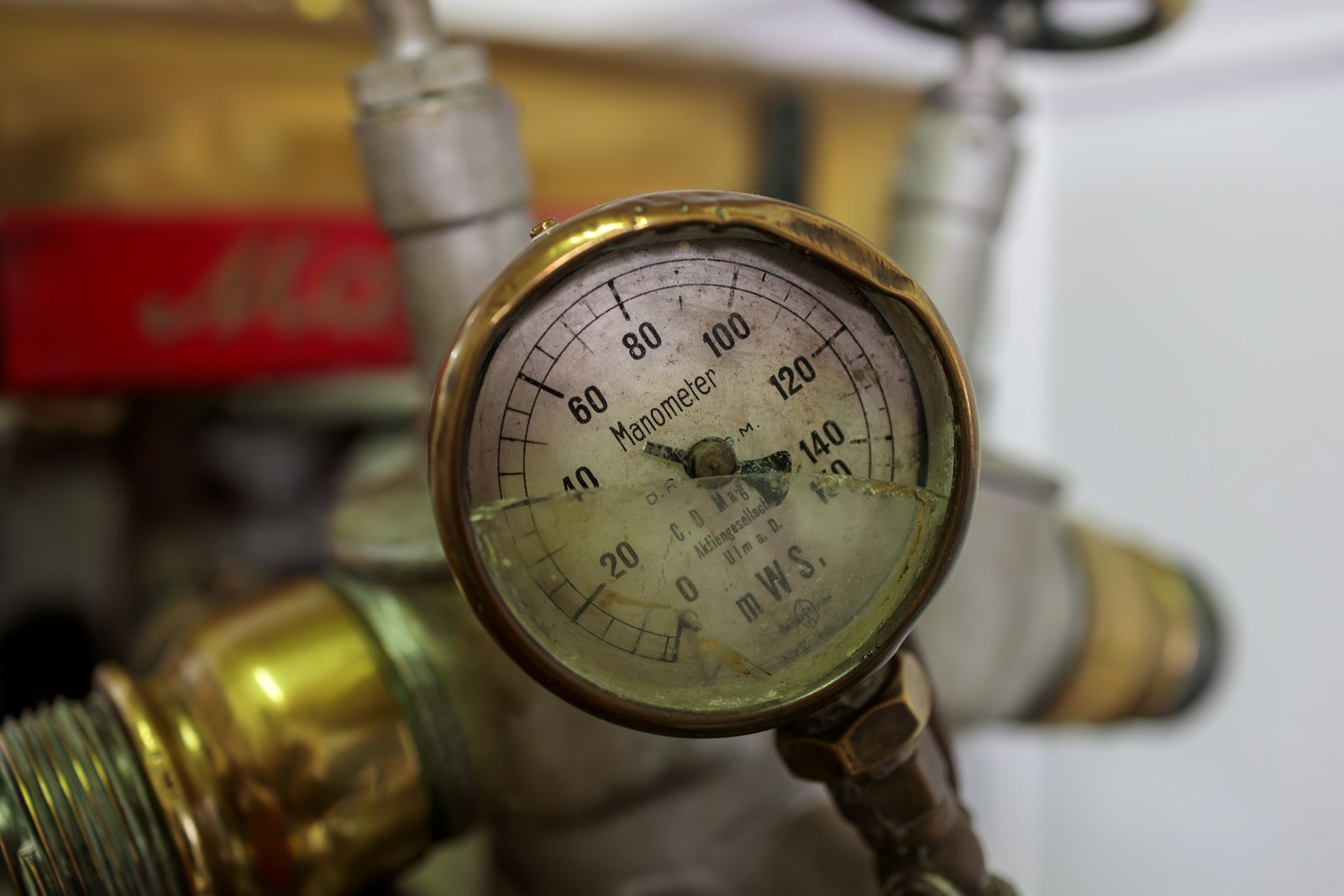
| R600a | R134a | |
|---|---|---|
| Found in | Most newer household fridges | Older fridges, many coolers |
| Flammable | Yes — careful handling | No |
| Climate impact | Very low | High |
| Typical charge | Small, exact grams | Larger charges |
| Interchangeable? | No — use only what the rating plate specifies | |
Compressor replacement
A compressor is only condemned after it fails electrical tests (open or shorted windings, earth leakage) or mechanical tests (it runs but cannot pump). Before that verdict, we rule out the relay, overload, capacitor and supply voltage — cheap parts that are often blamed on the compressor.
If replacement is needed, we match the new compressor to the fridge’s refrigerant, capacity and starting type, fit a new filter-drier, vacuum and charge the system and run it to temperature. We will also tell you plainly whether the cost makes sense for the age and condition of your fridge.
Book a visit
That is often a slow leak. Let us find it before it takes the compressor with it.